
The Ultimate Home Assistant Hardware Buying Guide
Struggling to choose the right hardware for your smart home setup? Many people find that home automation systems need specific controllers and good compatibility. This guide will help you pick budget-friendly, high-performance, or low-energy devices for a strong home control system.
Continue reading to optimise your smart home.
Key Takeaways
- Home Assistant requires specific hardware, such as the Raspberry Pi 4 and ODROID-N2+, for optimal performance and energy efficiency.
- Budget-friendly options include the Home Assistant Blue and old laptops running Linux. These keep costs low while offering solid features.
- Powerhouse machines such as Intel NUCs or custom PCs support demanding home automation tasks with high speed and reliability.
- The Amazon Echo is a top pick for easy voice control of smart devices, thanks to regular software updates and broad compatibility.
- Choosing the right hardware depends on your goals—whether to save energy, lower costs, or run complex automations—in the evolving smart home market of 2025.
Home Assistant Hardware Requirements
Home Assistant needs specific hardware for optimal performance. You can choose from energy-efficient options to powerful machines that handle demanding tasks.
Low energy options
Low-energy options are ideal for individuals seeking to reduce their electricity bills. Devices like the Raspberry Pi consume very little power while running an automation hub. You can easily set it up as a DIY home assistant, controlling smart sensors and other smart devices throughout your house.
The ODROID-N2+ also offers low energy consumption without sacrificing performance. This bundle is compatible with various IoT platforms and offers excellent integration with smart home ecosystems.
Choosing these options allows you to enjoy extensive features while being environmentally conscious.
Budget-friendly picks
Transitioning from low-energy options, many people seek budget-friendly picks. These devices offer great value without sacrificing performance. The Raspberry Pi 4 serves as an excellent starting point.
It supports various smart home devices and runs open-source software well.
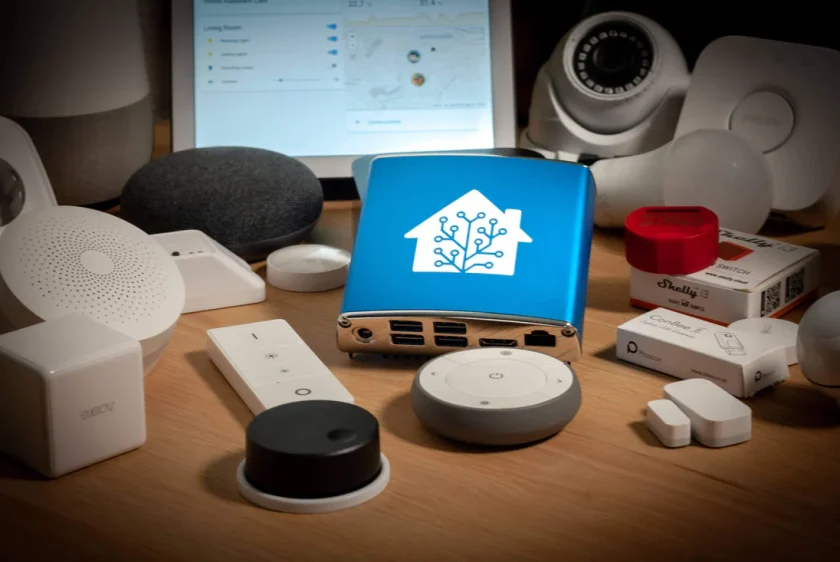
Another affordable choice is the Home Assistant Blue. This pre-configured device simplifies installation and works seamlessly with your home networking setup. Users can quickly connect voice assistants to control IoT Internet of Things features effortlessly.
With these selections, you can enjoy a fully functional home assistant without breaking the bank.
Powerhouse machines
Powerhouse machines offer top-tier performance for your Home Assistant setup. These devices handle heavy workloads easily while ensuring smooth operation. Look at options like the Intel NUC or custom-built PCs featuring high-end processors and ample RAM.
They support faster configurations, making them ideal for complex tasks.
These setups excel with open-source software, providing extensive compatibility with various hardware components. Users can install multiple services without sacrificing speed or responsiveness.
Powerhouse machines make managing smart homes much more efficient and reliable, enhancing overall system performance significantly.
The Best Home Assistant Hardware for 2025
When selecting hardware, consider both performance and compatibility. Certain devices stand out for their ease of use and integration with various platforms.
ODROID-N2+ Home Assistant Bundle
The ODROID-N2+ Home Assistant Bundle is an excellent choice for home automation. It features a powerful ARM Cortex-A73 processor, ensuring smooth performance for a wide range of tasks.
This bundle includes a cooling fan and essential components to set up your system quickly.
Users find this option ideal due to its low energy consumption. The compact design allows it to fit neatly in most spaces. Many have praised its hardware compatibility with popular devices.
You will enjoy seamless integration and straightforward installation tips that make setup easy.
Amazon Echo
After exploring the ODROID-N2+ Home Assistant Bundle, let’s examine another popular choice for home automation: the Amazon Echo. This smart speaker offers impressive voice recognition and seamless integration with various devices.
Users can control lights, thermostats, and locks without lifting a finger.
Budget-conscious consumers appreciate its affordability and versatility. The Echo also supports numerous skills, allowing it to easily adapt to individual needs. Many people use it as their central hub for a connected home.
Its continuous software updates keep features fresh and functional. With the Amazon Echo in your setup, you’ll enhance your overall experience in managing devices effortlessly.
Best DIY options
The Amazon Echo offers convenience and smart control for your home. For those who prefer a hands-on approach, DIY options provide flexibility and creativity. Raspberry Pi stands out as a top choice for building custom setups.
This small computer can run Home Assistant effectively with minimal investment.
Another great option involves using old laptops or desktops you already own. Installing Linux on these devices allows you to repurpose them into home automation hubs. These methods enable users to configure systems according to their specific needs.
With the right components, anyone can create a personalised smart home experience while sticking to their budget.
Conclusion
Finding the right hardware for your home assistant can enhance your experience. Use this guide to explore different options that fit your needs and budget. Choose from energy-efficient devices or powerful machines, depending on your needs.
Make informed decisions based on our reviews and recommendations. Enjoy creating a smarter home with the perfect gear!


