
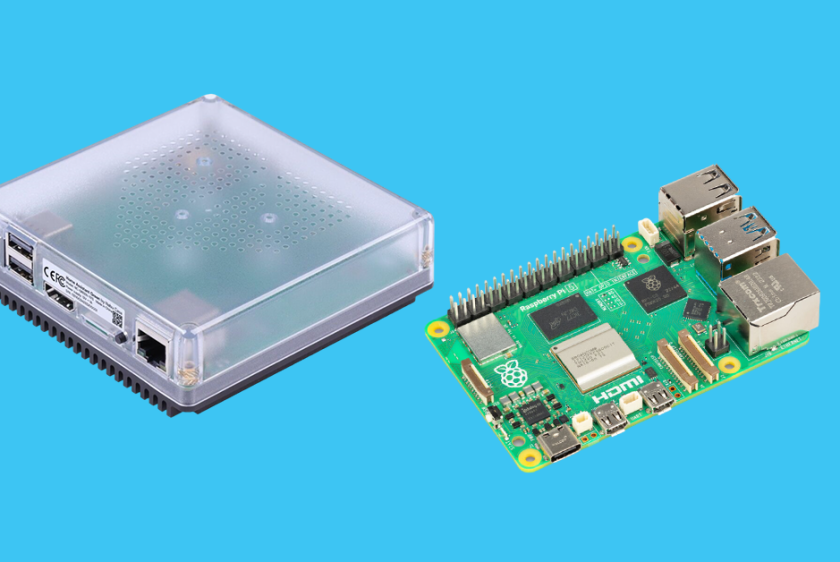
Home Assistant Green vs. Raspberry Pi: Which Is Right for Your Smart Home?
Setting up a smart home can be confusing, especially when choosing the right hardware. Many people compare Home Assistant Green and Raspberry Pi for their automation needs. This post explains the key differences to help you decide which suits your situation best. Discover which device makes smart home setup easy for you.
Key Takeaways
- Home Assistant Green is a plug-and-play device designed for smart home automation. It has low power use (only 4W) and an easy setup process, making it ideal for beginners.
- Raspberry Pi is a flexible microcomputer. It supports many software options and custom setups, including Home Assistant. Setting up takes more time and technical skill than with Home Assistant Green.
- The upfront price of a Raspberry Pi 4 B is lower than that of Home Assistant Green. However, users need to manage backups, install the operating system, and purchase additional accessories for full functionality.
- Both devices are energy-efficient, but they differ in complexity and support needs. Home Assistant Green focuses on simple use; Raspberry Pi favours DIY enthusiasts who want more control.
- Beginners should opt for Home Assistant Green for its simplicity. Tech-savvy users who value flexibility may prefer using Raspberry Pi for their smart home projects.
Home Assistant Green vs Raspberry Pi
Home Assistant Green arrives as a plug-and-play device, made just for smart home automation. It supports Home Assistant out of the box. Users do not need to handle technical installation or configuration steps, such as flashing images or executing complex setup commands.
This hardware is compact, quiet, and highly energy-efficient, with a power consumption of only 4W.
The Raspberry Pi serves as a flexible microcomputer for various Raspberry Pi projects, including IoT (Internet of Things) setups and home automation systems. You can install multiple automation software options on it, such as Home Assistant or other platforms, but this requires more user input for configuration and maintenance.
Compared to Home Assistant Green, current models like the Raspberry Pi 4 B cost less upfront but may use slightly more power and require backups that users must manage themselves. The next section highlights key differences in setup, versatility, performance, and running costs between the two systems.
Key Differences
Home Assistant Green offers an easy setup for beginners. Raspberry Pi provides more options for those who enjoy customising their smart home experience.
Ease of setup and use
Home Assistant Green offers a plug-and-play experience. Users can set it up quickly with minimal technical skills. The integration process for smart home devices is straightforward, allowing effortless automation across various technologies.
Many users appreciate its user-friendly interface that enhances the overall experience.
Raspberry Pi requires more technical knowledge for setup and use. Installing Home Assistant involves several steps, including configuring the operating system and managing software updates.
Customisation options are vast, but they may complicate the installation process for beginners. Power efficiency varies based on how you configure your Raspberry Pi hardware and software settings compared to the energy-efficient design of Home Assistant Green.
Customisability and versatility
Customisability and versatility are crucial for choosing the right hardware for your smart home. Home Assistant Green provides a straightforward platform, making installation easy due to its plug-and-play nature.
Users can easily adjust settings to suit their needs without requiring extensive technical knowledge. The Raspberry Pi offers wider customisation options, enabling users to tailor configurations and software installations precisely as they wish.
Raspberry Pi appeals to those who love DIY smart home projects. Its flexibility attracts tech enthusiasts who prefer hands-on control over automation tasks. In contrast, Home Assistant Green prioritises stability and energy efficiency without compromising on user-friendly features.
Those new to smart homes might find Home Assistant Green easier, while experienced users may favour Raspberry Pi’s adaptability. This comparison leads us to consider performance and cost next.
Performance and cost
Home Assistant Green offers strong performance at a cost-effective price. It provides a streamlined setup for smart home automation. The Raspberry Pi, on the other hand, requires more technical expertise and may incur additional costs for necessary accessories.
Both devices deliver good energy efficiency but differ in their specifications and capabilities. Home Assistant Green stands out with its ready-to-use design, while Raspberry Pi shines with customisability options that suit advanced users better.
When deciding between these two options for your smart home technology comparison, consider your budget and intended use.
Which is Right for You?
Choosing between Home Assistant Green and Raspberry Pi depends on your needs. Home Assistant Green offers a simple plug-and-play setup. It suits beginners who want easy automation for their smart home without much hassle.
Raspberry Pi shines with its customisability and versatility. Tech enthusiasts can utilise it to create customised solutions tailored to their specific needs.
Consider performance and cost, too. Home Assistant Green is an energy-efficient option, making it an excellent choice for budget-conscious users seeking to minimise ongoing expenses. In contrast, the Raspberry Pi may require additional investment in hardware and installation, but it provides more flexibility for complex setups.


