
DIY vs Professional Installation: Cost Breakdown
Deciding whether to install something yourself or hire a professional can be a tricky and confusing process. Did you know that labour expenses make up a big part of any installation costs? This post outlines the real differences in cost, time, and quality between DIY projects and hiring professional services. Find out which option is best for your next home improvement project!
Key Takeaways
- Labour costs make up a large part of installation expenses. Doing the work yourself often saves money but takes more time and effort.
- Skill level matters. Beginners can perform simple tasks, such as painting or shelving. Complex jobs often require experts to minimise errors and avoid additional costs.
- Professionals charge higher fees but use better tools and high-quality materials. They complete jobs more efficiently and reduce the risk of errors.
- Quality materials may cost more initially, but they last longer and reduce future repair bills for both DIYers and professionals.
- Deciding between DIY and professional installation depends on your skills, budget, time, project complexity, and the type of materials you choose.
Definition and purpose of the topic
A cost breakdown comparing DIY vs. professional installation helps homeowners compare installation costs. Homeowners look at labour expenses, material costs, and tool rental fees. Some home improvement or renovation tasks may seem simple but require more skill or time than expected.
Comparing DIY projects with professional services enables people to make more informed budgeting decisions. The goal is to weigh repair estimates and quality assessment before choosing between hiring professionals or completing the work themselves.
Home repairs often involve both types of installation services, so understanding all options can save money and effort in the long run.
Factors Affecting Cost Estimates
Various elements influence the cost estimates for installation projects. Skill level, time requirements, and project complexity all play significant roles in determining final expenses.
Skill level
Skill level plays a significant role in determining installation costs. DIY projects often require varying degrees of expertise. A novice may struggle with complex tasks, leading to mistakes and wasted materials.
This can inflate overall expenses. On the other hand, individuals with experience can complete installations more efficiently and accurately.
Professional services typically come at a higher price due to the specialised skill set and extensive training required. Experts also have access to specialised tools that reduce time and enhance quality. Investing in professionals often guarantees satisfactory results but incurs additional labour expenses.
Understanding your own skill level is crucial when comparing options for home improvement projects, such as renovation costs or repair estimates.
Time
After evaluating skill level, time plays a crucial role in the cost of installation projects. DIY projects often require considerable time investment. Homeowners need to allocate hours for planning, gathering materials, and executing the installation.
On average, individuals might spend several weekends on such tasks.
Professional services save time dramatically. Experts complete installations faster due to their experience and access to specialised equipment. Labour expenses reflect this efficiency; professionals may charge higher fees, but complete the job more efficiently than an inexperienced homeowner could.
Prioritising speed can influence whether one opts for DIY or professional help in home improvement projects.
Complexity of installation
Complexity plays a significant role in installation costs. Simple DIY projects often save money, as they require fewer materials and less time to complete. However, some installations can become quite complicated.
These tasks may involve intricate wiring or structural adjustments that demand specialised skills.
Choosing professional services for complex installations guarantees quality work but incurs higher labour expenses. Professional installers possess the expertise to handle tricky jobs efficiently.
The quality assessment of materials also influences overall costs; high-quality items often come with higher price tags. Therefore, understanding the complexity helps you make informed decisions about your home improvement project, allowing you to compare DIY vs. professional installation options effectively.
Quality of materials
The quality of materials plays a crucial role in installation costs. High-grade materials often raise overall expenses but can enhance the durability and appearance of your project. For DIY projects, choosing inferior supplies may initially save money, but it usually leads to costly repairs later.
Professional services utilise higher-quality components, as they prioritise longevity and performance.
The right materials can significantly impact both DIY installation and professional work. Investing in top-quality items may lead to higher upfront costs but saves you from frequent replacements or repairs down the line.
Understanding how material choices impact your budget helps you make informed decisions about home improvement projects. Cost breakdowns for different grades matter when assessing labour expenses as well as material costs.
Cost Breakdown
DIY installation can save money but requires time and effort. Professional services offer expertise, ensuring quality work, but they often come with higher expenses.
DIY installation
DIY installation offers a chance to save money on home improvement projects. Many individuals choose this route to control costs and customise their work. Material costs can vary, but opting for budget-friendly supplies can further reduce expenses.
Projects like painting or shelving are common DIY tasks that require basic tools and materials.
Skill level plays a significant role in deciding if DIY is suitable. Some tasks require advanced skills, while others are suitable for beginners. Equipment rental may incur an additional cost for more complex jobs.
Overall, careful planning leads to successful outcomes in DIY projects while keeping labour expenses low.
Professional installation
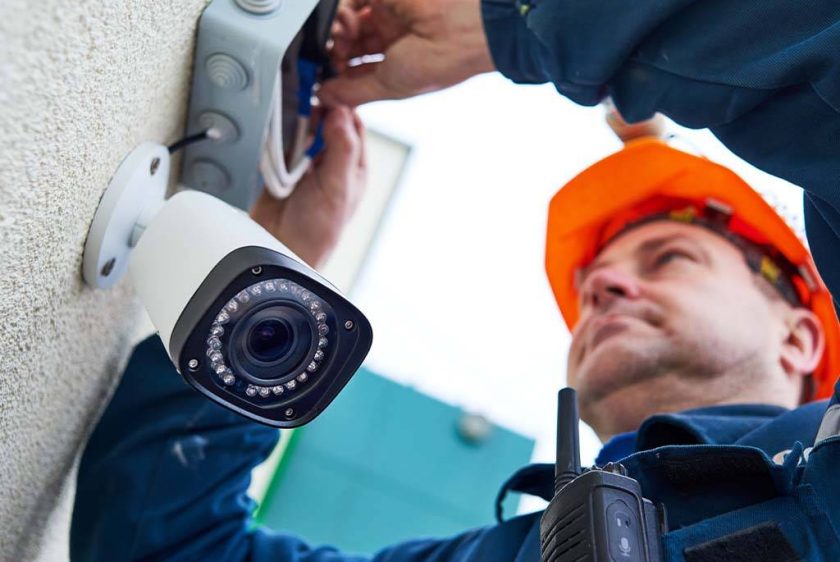
Professional installation involves hiring skilled tradespeople to complete your projects. Experts typically charge for their labour and materials. These costs may be higher than those of DIY methods, but professional services ensure high-quality work and safety.
Labour expenses often dominate the cost breakdown for professional installations. Skilled workers bring experience that reduces errors and saves time. Their expertise helps in selecting high-quality materials tailored to your project’s needs, significantly enhancing overall results.
While this option may be a financial strain, it ensures a well-executed finish with fewer risks involved compared to tackling tasks yourself.


