
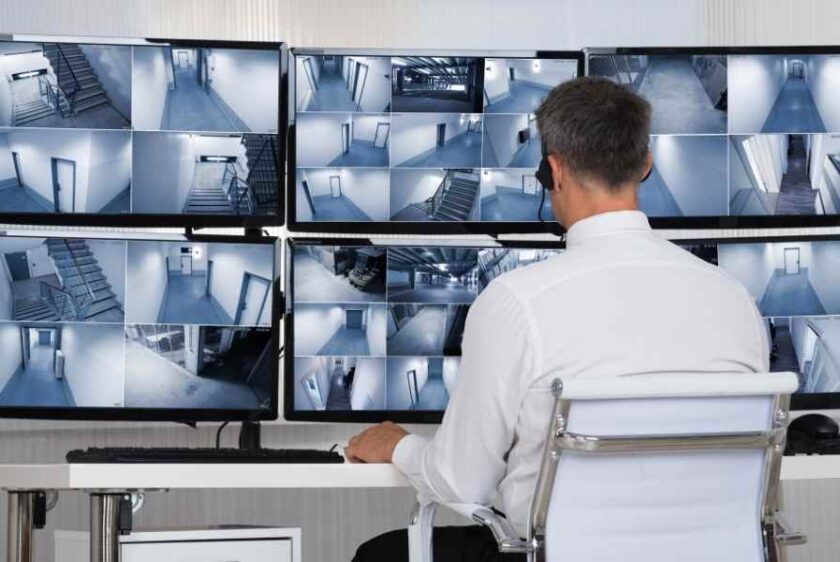
How CCTV Footage Can Be Used in Insurance Claims
You may worry that your insurance claim will be rejected without sufficient evidence. CCTV footage can be vital evidence in the claims process, helping to establish accident details and address liability concerns.
This guide explains how surveillance footage supports your case during insurance investigation and incident verification. Find out how to use video evidence for easier compensation.
Key Takeaways
- CCTV footage provides clear, objective evidence that helps insurers verify accident details and establish fault quickly. This counters false claims and supports honest claimants effectively.
- Acting swiftly to request footage is vital, as many systems delete or overwrite recordings within a few days. Delays can result in losing key evidence for your insurance claim.
- Following data protection laws is essential when seeking surveillance videos. You often need consent from property owners before accessing camera records.
- High-quality, well-maintained cameras positioned in strategic areas improve the chances of capturing useful images. Clear video aids both incident verification and legal proceedings.
- Combining CCTV footage with other evidence, such as dashcam clips or witness statements, creates stronger cases. This strengthens personal injury claims and reduces the risk of fraud in settlements.
The Role of CCTV in Insurance Claims
CCTV footage provides objective evidence in insurance claims. It helps verify incidents and establish who is at fault, making it a powerful tool during investigations.
Objective evidence
Objective evidence plays a crucial role in insurance claims. CCTV footage provides clear documentation of events. This visual proof supports accident evidence, offering an accurate view of what occurred during incidents.
Investigators use this footage for insurance verification and claim investigation purposes.
Footage helps to establish fault by showing actions leading up to the event. It can effectively combat fraudulent claims, exposing dishonest behaviour. Clear images act as powerful legal evidence in court if necessary.
Having strong objective evidence strengthens any personal injury claims and increases the chances of a positive outcome.
Verification of incidents
CCTV footage provides crucial verification of incidents in insurance claims. This evidence captures events as they unfold, offering a clear view of what happened. Insurance companies use these recordings to establish the facts surrounding an accident.
They can confirm details such as location and timing, which helps clarify the situation for all parties involved.
Insurance verification becomes smoother when valid footage is available. Claims that rely on solid video evidence often face fewer disputes. This can combat fraudulent claims effectively by providing transparent proof of incidents.
Recording devices, such as dashcams, serve a similar purpose, strengthening personal injury claims with visual documentation.
Establishing fault
Verification of incidents leads directly to establishing fault. CCTV footage provides clear images of what occurred during an accident. This evidence shows who was responsible for the incident, making it easier for insurance companies to determine liability.
Visual proof from surveillance footage can clarify confusing situations and support various claims, including personal injury claims.
Footage can also counter false accusations. If someone tries to blame you unjustly, video evidence can protect your rights. By offering solid proof of events, videos enhance the investigation process and lead to fairer outcomes in claim investigations.
Using this objective data enables insurers to resolve disputes over fault determination efficiently and effectively.
Combating fraudulent claims
Establishing fault helps clarify the details of an incident. CCTV footage plays a vital role in combating fraudulent claims. It captures real-time evidence that insurers can rely on to confirm what happened during an accident.
This visual proof discredits false statements and exaggerations made by claimants.
Surveillance footage provides clear documentation of events, making it easier for insurers to identify and prevent fraud attempts. High-quality images show the truth behind many personal injury claims, ensuring that only legitimate cases receive compensation.
With this solid evidence, insurance companies can protect themselves against dishonest actions and maintain trust with their clients.
Obtaining and Preserving CCTV Footage
You should act promptly to request CCTV footage after an incident, as delays can result in the loss of evidence. Understanding laws about data protection is also essential when seeking footage.
You may need help from legal representatives during this process. This ensures you secure the necessary evidence for your claim. Curious about how else CCTV can support your insurance claims? Keep reading!
Requesting footage
Requesting footage from CCTV can be crucial for your insurance claim. Start by identifying which cameras might have recorded the incident. Contact the property owner or manager to ask for access to this surveillance footage.
Make your request clear and specific, including dates and times of the event you are investigating.
Act swiftly; many systems overwrite footage after a set period. Legal representatives can assist with making formal requests if necessary. Always keep data protection laws in mind while requesting video evidence.
Protecting personal information is essential during such processes. Gathering this vital accident evidence sets a solid foundation for the next steps in your claim investigation process.
Ensuring quick action
Time is crucial when it comes to obtaining CCTV footage. Act promptly after an incident to secure vital evidence. Quick action limits the risk of losing the surveillance tape due to overwriting or deletion.
Contact the relevant parties immediately, whether they are businesses, property owners, or local authorities.
In personal injury claims and insurance investigations, acting fast can make a significant difference. Gather all necessary information to request the footage effectively. Ensure you understand data protection laws that may apply to accessing this evidence.
Having legal assistance can also help streamline this process and protect your rights during claim investigations.
Understanding data protection laws
Quick action is essential after an incident. Understanding data protection laws facilitates the legal request of CCTV footage. These laws protect individuals’ privacy rights, particularly when it comes to surveillance footage.
You must ensure you have the right to access this information before making a request.
Explicit consent often plays a major role here. If you collect footage from third-party cameras, obtaining permission is crucial. Understanding these legal requirements can strengthen your insurance verification process.
Following proper procedures not only aids in claim investigations but also establishes trust during fault determination for personal injury claims.
Securing assistance from legal representatives
Securing help from legal representatives can make a big difference in insurance claims. Lawyers understand how to use CCTV footage as crucial evidence for your case. They assist in obtaining the right surveillance footage you need and ensure it meets legal standards.
Experts can guide you on data protection laws, which are crucial when handling incident documentation. Engaging with a solicitor also boosts your credibility during claim investigations.
Their support helps establish fault clearly, supporting your personal injury claims effectively. Moving forward, let’s explore how to optimise CCTV for effective coverage.
Optimising CCTV for Effective Coverage
Strategic camera placement can capture critical angles that reveal important details. High-quality footage ensures clear images for accurate assessments of incidents.
Strategic camera placement
Camera placement plays a crucial role in capturing quality footage—position cameras at key locations to cover high-traffic areas and potential accident spots. Place them near entrances, exits, and areas with blind spots where incidents are most likely to occur.
This approach maximises surveillance coverage.
High-quality footage can provide strong evidence for insurance verification or claim investigation. Proper angles ensure that you capture clear visuals of events as they unfold. Assess your environment regularly to adjust placements if necessary; this helps maintain effective surveillance for personal injury claims and fraud detection efforts.
High-quality footage
High-quality footage plays a crucial role in insurance claims. Clear images help to establish the facts of an incident. This type of evidence can make it easier for insurance companies to verify what happened.
Sharp recordings capture important details, including vehicle registration numbers and faces. High resolution also aids in fault determination during claim investigations.
Regular maintenance of CCTV systems ensures that they produce consistent and clear footage. Keeping cameras clean and well-positioned enhances their effectiveness over time. Reliable surveillance footage enhances confidence in personal injury claims and effectively combats fraudulent claims.
It provides solid legal evidence that supports both parties involved in the case.
Regular maintenance
Regular maintenance of CCTV systems is crucial for effective operation. Technicians should check cameras frequently to ensure they capture clear footage. Clean lenses and adjust angles as needed to avoid blind spots.
Well-maintained equipment can provide valuable evidence during insurance claims.
Neglecting maintenance can lead to blurry images or even system failures. These issues may hinder incident verification, making it difficult to establish fault in personal injury claims.
Security camera records serve as vital tools for insurers, so keeping them in top condition ensures the best chance of a successful claim investigation.
Benefits of CCTV Footage in Insurance Claims
CCTV footage boosts your case management by providing clear evidence and improving the chances of a successful settlement in insurance claims. Discover how it can make a difference for you!
Enhanced case management
CCTV footage significantly improves case management in insurance claims. This objective evidence provides clear insights into accidents, making it easier for insurers to conduct thorough investigations.
With recorded visuals, claims can progress faster. Insurers rely on hard proof rather than just statements from involved parties.
Using surveillance footage allows for more accurate fault determination in incidents. Claims become clearer and less complicated when viewers see what transpired. As a result, this leads to higher chances of settlement and quicker resolutions for personal injury claims.
Next, we will examine the role of obtaining and preserving CCTV footage in the process.
Higher chances of settlement
CCTV footage significantly increases the chances of settlement in insurance claims. Clear video evidence can confirm what happened during an incident, making it easier for insurers to verify claims.
This objective evidence helps establish fault quickly and effectively. Claims involving personal injuries benefit from surveillance footage, as it serves as legal proof of events.
Fraudulent claims often fall apart when confronted with reliable CCTV evidence. Insurers gain confidence in settling cases where clear facts are available. High-quality recordings provide clarity in chaotic situations, which greatly aids claim investigations.
This leads to faster resolutions and fewer disputes between parties involved. Next, let’s explore how to obtain and preserve CCTV footage for your claims process.
Combining with other evidence
Insurance claims benefit greatly when CCTV footage combines with other evidence. Footage serves as strong evidence of the accident, supporting claims made by the involved parties. Insurers appreciate a well-rounded case that includes dashcam recordings or eyewitness accounts.
Each piece contributes to the weight of the claim investigation process.
High-quality visual evidence, alongside witness statements, can enhance fault determination in complex cases. This approach prevents insurance fraud and strengthens personal injury claims.
The combination of various types of legal evidence helps create a clearer picture for decision-makers in an insurance company. It ensures fair assessments and faster resolutions in the claim process.
Conclusion
CCTV footage plays a crucial role in insurance claims. It provides solid proof of events, helping establish what really happened. This type of evidence can significantly enhance your chances of successfully settling a claim.
By ensuring you have the right coverage and maintaining your cameras, you enhance your defence against fraud. Using surveillance effectively makes the claims process smoother for everyone involved.


