
Understanding CCTV Privacy Laws in the UK
Are you worried about who can see footage from security cameras in your area? In the UK, the use of CCTV must comply with strict data protection and privacy laws. This blog will explain CCTV regulations, key rights such as consent, and how the GDPR affects access to footage.
Stay with us to learn about the rules that protect your privacy.
Key Takeaways
- The Data Protection Act 2018 and GDPR control how UK organisations use CCTV footage. These laws took effect on 25 May 2018 and require clear consent, robust data handling, and respect for privacy rights.
- Businesses must clearly indicate where CCTV cameras are in operation. They need to state the purpose of recording, provide contact details, limit footage use, and add access controls plus encryption for safety.
- People have a legal right to ask for their own CCTV images through a Subject Access Request (SAR). Organisations should respond within one month or face complaints sent to the Information Commissioner’s Office (ICO).
- All owners of CCTV systems must carry out regular Privacy Impact Assessments. This ensures that data collection meets legal standards and does not compromise personal privacy.
- If people feel a camera invades their rights or is misused, they can report it to the ICO. The ICO investigates these claims under strict data protection laws in the UK.
Understanding the Legal Framework of CCTV Privacy Laws in the UK
CCTV privacy laws in the UK rely on important legal documents. These regulations shape how organisations use surveillance technology while protecting individual rights.
Data Protection Act 2018
The Data Protection Act 2018 governs the handling of personal data in the UK. This law aligns with the General Data Protection Regulation (GDPR), setting strict rules for organisations that use CCTV to record footage.
It ensures that individuals maintain their privacy rights when being monitored.
Under this act, CCTV operators must have a valid reason for recording. They need to inform people about surveillance through clear signage. The law also requires regular privacy impact assessments to ensure the effective protection of personal information and uphold data protection standards.
GDPR
GDPR stands for the General Data Protection Regulation. This regulation took effect on 25 May 2018. It aims to protect personal data and privacy in the UK and across Europe. CCTV footage often captures images of individuals, which makes it subject to GDPR rules.
Under this regulation, businesses must ensure that they collect and handle personal data in a lawful manner.
Organisations must have a clear reason for using CCTV cameras. They cannot just record people without purpose; they need to follow the principle of purpose limitation. Companies must also conduct periodic Privacy Impact Assessments to evaluate their use of surveillance systems.
Compliance with the GDPR protects individuals’ rights regarding their personal data and helps maintain transparency in monitoring practices.
Surveillance Camera Code of Practice
The Surveillance Camera Code of Practice outlines the responsible use of CCTV in public spaces. This code ensures that cameras follow data protection laws and promote privacy.
It sets clear standards for recording footage, including the need to justify surveillance purposes. Owners must balance security needs with individuals’ rights.
CCTV systems must display clear signage indicating their presence. This allows people to be aware that they are under surveillance. Regular reviews of these systems help assess risks related to privacy concerns.
By following these guidelines, organisations can demonstrate legal compliance and ethical monitoring in domestic security settings.
Privacy Considerations
Privacy laws shape how CCTV systems operate. Individuals have rights regarding their data and the purpose for which it is collected.
Right to Information
Individuals have the right to access information about how CCTV cameras collect and use their data. This right falls under the Data Protection Act 2018 and GDPR. People can make requests to understand what footage exists of them, its purpose, and who has access to it.
CCTV operators must respond promptly to these requests. They should provide clear details about recorded images and how they comply with privacy laws. The public deserves transparency in surveillance practices, which helps build trust around these regulations.
Next, we will explore the importance of purpose limitation in CCTV operations.
Purpose Limitation
Moving on from the right to information, let’s explore purpose limitation. Purpose limitation is a key principle in CCTV privacy laws. This rule states that organisations can only record footage for specific reasons.
These purposes must be clear and legitimate. For example, a business may install cameras to enhance security or monitor staff activities.
Data Protection regulations require these organisations to keep recordings related strictly to their stated purposes. If they collect footage for one reason, they cannot use it for another without proper justification.
This rule helps safeguard privacy and promote accountability in surveillance practices. Following these guidelines ensures compliance with GDPR and makes organisations responsible for respecting individuals’ rights concerning their recorded data.
Periodic Privacy Impact Assessments
Periodic Privacy Impact Assessments (PIAs) help organisations evaluate their use of CCTV. These assessments identify privacy risks linked to surveillance practices. They ensure compliance with data protection laws, such as the GDPR and the Data Protection Act 2018.
Organisations should conduct PIAs regularly, especially when implementing new camera systems or changing existing ones. This process reviews how footage is collected, stored, and used.
It aims to safeguard individuals’ privacy rights while maintaining security measures. Keeping up with these assessments builds trust among the public and helps avoid potential complaints to the Information Commissioner’s Office (ICO).
Compliance with CCTV Privacy Laws
Compliance with CCTV privacy laws demands clear signage, strict access controls, and proper encryption to protect recorded footage. Knowing the legal requirements can help you avoid potential fines.
Curious about what these regulations entail? Read on for more insights into staying compliant!
Clearly Display Signage
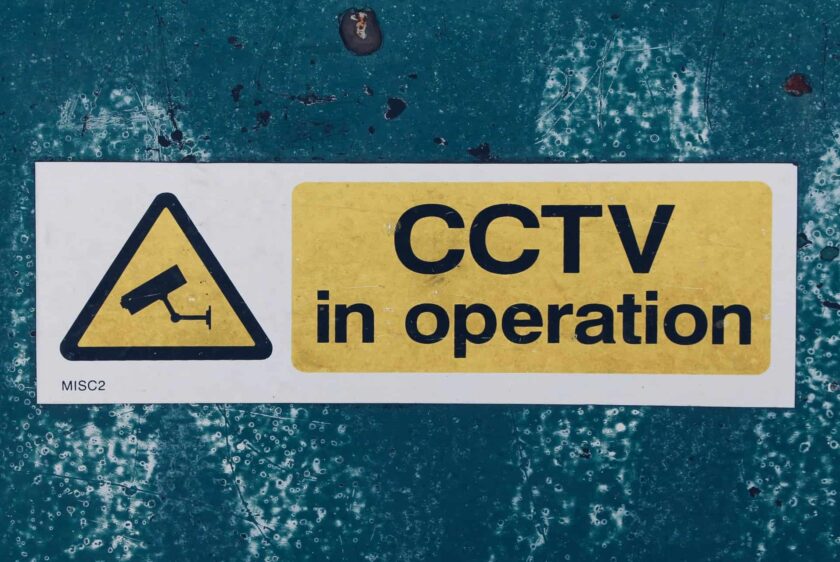
Clear signage plays a crucial role in CCTV privacy compliance. Display signs inform people about the presence of surveillance cameras. The law requires organisations to let individuals know they are being recorded.
Signs should be easy to read and positioned at eye level.
Properly placed signage helps protect privacy rights. It allows individuals to make informed choices about their surroundings. Transparency fosters trust between businesses and customers.
Ensure signs include contact information for further enquiries regarding CCTV footage or data protection concerns.
Access Controls and Encryption
Following the need for clear signage, access controls, and encryption, CCTV privacy compliance is crucial. These measures protect recorded footage from unauthorised access. Implement password protections to restrict access to and management of CCTV systems.
Use strong passwords and change them regularly.
Encryption secures data during transmission and storage. It makes it difficult for anyone without permission to read or use the footage. By following these practices, you enhance data protection in line with GDPR regulations.
Observing such protocols shows your responsibility towards privacy concerns related to surveillance.
Legal Requirements for Security Cameras
CCTV systems in the UK must adhere to strict legal requirements. Owners must comply with the Data Protection Act 2018 and the GDPR. These regulations require clear signage to inform the public about the use of surveillance.
CCTV cameras should only capture footage relevant to their intended purpose, thereby ensuring the privacy of individuals.
Access controls protect recorded data from unauthorised access. Encryption adds an extra layer of security, keeping footage safe from cyber threats. Businesses and organisations must regularly review their practices to ensure compliance with laws governing the use of CCTV.
Meeting these legal standards is essential for responsible recording and maintaining public trust in surveillance systems.
Resolving Privacy Concerns
To address privacy issues, individuals can lodge complaints with the Information Commissioner’s Office (ICO). They also have the right to access CCTV footage that concerns them.
Complaints to the ICO
People can file complaints with the Information Commissioner’s Office (ICO) when they believe CCTV practices infringe upon their privacy rights. The ICO handles issues related to data protection and privacy regulations in the UK.
Suppose someone feels that a security camera captures footage without consent or for reasons other than its intended purpose. In that case, they have the right to complain.
The ICO reviews these cases and investigates potential violations of GDPR or other regulations. They provide guidance on how organisations should use CCTV properly. Reporting concerns helps ensure that everyone respects privacy laws while using surveillance cameras responsibly.
Next, we will discuss how individuals can access their CCTV footage.
Accessing CCTV Footage
After addressing complaints to the ICO, you may want to access CCTV footage. Individuals have the right to request their recorded images under certain conditions. Data Protection laws give you this right.
To obtain your footage, you need to submit a Subject Access Request (SAR). This request should go directly to the organisation that operates the CCTV system. Be clear in your request and include any necessary details about when and where the recording took place.
The organisation must respond quickly, usually within one month.
If they refuse or delay your request, consider filing a complaint with the ICO. Knowing your rights helps ensure compliance with privacy regulations regarding the use of CCTV footage.
Privacy Rights in CCTV Surveillance
Individuals have rights concerning their privacy in CCTV surveillance. Under the Data Protection Act 2018 and the GDPR, individuals can request information about how cameras record and use their personal data.
They have a right to know who monitors footage and for what reasons it is collected. Any recorded images are considered personal data; therefore, they must be handled with care.
Organisations that use CCTV must conduct regular reviews of how they handle these recordings. This includes ensuring compliance with regulations while respecting citizens’ privacy rights regarding this type of surveillance.
Privacy concerns are valid, leading many to raise complaints if they feel their rights are being violated. Next, we will examine how individuals can address any privacy concerns related to CCTV surveillance.
Conclusion
CCTV privacy laws in the UK protect people’s rights. They ensure that surveillance is conducted responsibly and respectfully. Understanding these laws helps you better understand your privacy rights.
It also guides businesses to comply with legal requirements. Staying informed about these regulations can make a real difference in our daily lives.


