
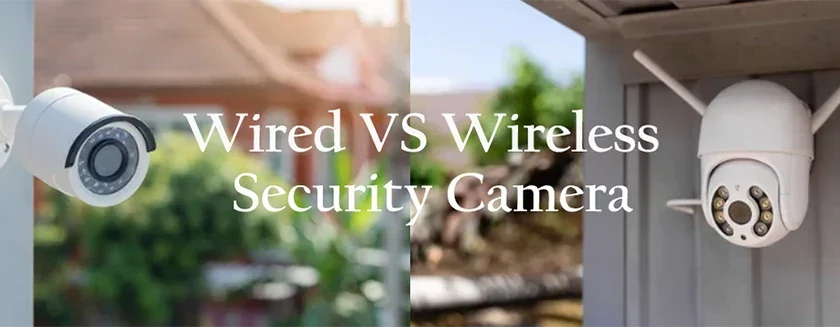
Wired vs Wireless CCTV Cameras: Which is Better?
Setting up home security can be confusing, especially when choosing between wired and wireless CCTV cameras. In the UK, over 70% of businesses utilise surveillance systems to safeguard their premises. This guide will compare how each camera type works, plus highlight the key differences in setup, reliability, and performance. Continue reading to discover which option best suits your needs.
Key Takeaways
- Over 70% of UK businesses utilise CCTV cameras for security purposes.
- Wired CCTV cameras provide stable video quality and reliable performance. Still, their installation is more complex due to the need for cables and power.
- Wireless CCTV cameras are easier to install and move, using Wi-Fi for flexibility, but can suffer from signal loss or interference.
- Wired systems have higher upfront costs but often require less maintenance; wireless options, on the other hand, may necessitate regular battery changes and checks.
- The best choice depends on your priorities—choose wired for reliability and image quality, or wireless for flexible placement and easy setup.
Overview of wired and wireless CCTV cameras (Introduction)
Wired CCTV cameras connect to security systems using cables for both video transmission and power supply. These cameras send footage directly through the cables, which helps improve reliability and image quality.
Wired CCTV cameras are often suitable for large properties or areas that require constant monitoring without interruption.
Wireless CCTV cameras use Wi-Fi or radio signals instead of physical wires. Homeowners and small businesses choose them because they offer flexible placement and easier installation.
Wireless options can provide remote access, but signal strength and interference may affect connectivity and performance in some situations.
Importance of security cameras (Introduction)
Security cameras play a vital role in protecting homes and businesses. They deter crime by providing visible surveillance, making potential intruders think twice before entering an area.
With the rise of video monitoring technology, security solutions have become more accessible and effective.
Wired and wireless CCTV cameras offer distinct features to cater to various needs. Wired systems typically provide reliable connectivity and superior image quality, while wireless options boast flexibility in installation.
Users can choose based on their specific requirements for safety and ease of use.
Wired CCTV Cameras
Wired CCTV cameras connect directly to a recording device, offering stable video quality without the risk of interference. They provide reliable surveillance for various environments.
Their installation can be more complex due to the need for cables and power sources. Discover how they can meet your security needs.
How they work (Wired CCTV Cameras)
Wired CCTV cameras connect directly to a recording device through cables. These cables transmit video signals quickly and reliably. A typical system includes cameras, cables, and a Digital Video Recorder (DVR).
The DVR captures the footage for later review.
These cameras depend on power sources for operation. They typically require a constant electrical supply to ensure smooth operation without interruption. Wired systems often provide better video quality than their wireless counterparts, as cable interference is minimal.
Users benefit from stable connectivity with less risk of signal loss or interference issues.
Pros and cons (Wired CCTV Cameras)
Wired CCTV cameras connect through cables to a central system. They offer stable video transmission and strong reliability. Using these cameras reduces the risk of interference from other devices.
You will likely enjoy consistent image quality in various conditions.
On the downside, installation can be complicated and time-consuming. Running cables requires planning and effort, which may increase costs—making changes after installation proves difficult due to limited flexibility.
Some users find wired systems less appealing because of their fixed setup constraints.
Wireless CCTV Cameras
Wireless CCTV cameras transmit video without the need for cables. They connect to the internet and send footage directly to your device. This flexibility makes them easy to install anywhere. You can remotely monitor your property with a simple app.
However, they may encounter interference issues, which could impact reliability. To find out more about their advantages and limitations, keep reading!
How they work (Wireless CCTV Cameras)
Wireless CCTV cameras operate by sending video signals over a wireless network. They use Wi-Fi or cellular connections for transmission, making installation easier and more flexible.
Users can place these cameras in hard-to-reach areas without worrying about running cables.
These cameras rely on a power source, either through batteries or plugged into an electrical outlet. Some models require strong connectivity to ensure consistent performance. Interference issues may arise from obstructions such as walls or other electronic devices.
Overall, wireless systems offer convenience but can be affected by various factors that impact their reliability and image quality.
Pros and cons (Wireless CCTV Cameras)
Wireless CCTV cameras offer flexibility in installation. You can place them almost anywhere without worrying about cables. This saves time and effort during the setup process. Many models are compatible with Wi-Fi, enabling easy access from smartphones or tablets.
However, wireless options may be affected by interference from walls or electronic devices, which can impact video transmission quality. Additionally, they rely on battery power or nearby electrical outlets.
Regular maintenance is necessary to ensure optimal performance and avoid connectivity issues. Image quality might not match that of wired systems in some cases as well.
Choosing the Right Security Cameras
Choosing the right security cameras involves thinking about what you need most. Consider image quality and ease of installation. Factor in your budget and any potential connectivity issues as well.
Each camera type has its unique strengths. Explore various options to find one that best suits your space. Keep reading for more insights!
Factors to consider
Several factors influence your choice between wired and wireless CCTV cameras. First, consider installation. Wired systems need professional installation, which can increase costs.
Wireless options often allow easier DIY setups. Next, think about connectivity and reliability. Wired cameras usually do not face interference from other devices, ensuring stable video transmission.
In contrast, wireless models may experience signal loss or reduced image quality due to obstacles or distance.
Power supply is another important factor. Wired cameras draw power from a direct connection, while wireless ones rely on batteries or adapters; this difference affects maintenance and longevity.
Additionally, consider the cost comparison of both types over time, as wired systems may have higher upfront fees but lower long-term maintenance expenses. Ensure that you weigh all these aspects carefully before deciding on the security solutions that best fit your needs.
Differences in reliability, flexibility, and image quality
Wired CCTV cameras offer high reliability due to their physical connections. They provide uninterrupted video transmission and are less prone to interference. The direct wiring ensures consistent image quality, making them ideal for permanent installations.
Wireless CCTV cameras boast flexibility in placement. You can easily relocate these systems without needing extensive rewiring. Nonetheless, they may experience connectivity issues or signal loss in certain environments.
Image quality can vary depending on the distance from the router and potential obstacles, such as walls or furniture. Users must weigh the pros and cons of each option according to their security needs.
Conclusion
Both wired and wireless CCTV cameras have their strengths and weaknesses. Select the option that best suits your needs. Explore more to find the perfect camera for your lifestyle!
Neither option is universally better
Both wired and wireless CCTV cameras offer unique advantages. Wired systems provide a stable video transmission, ensuring high image quality. They often have fewer connectivity issues and can operate without interference from other devices.
Their installation might be complex, but they rely on direct power supplies, which adds to their reliability.
On the other hand, wireless CCTV cameras boast flexibility in placement. They are easier to install and can be moved around as necessary. However, they can suffer from signal interruptions or reduced image quality depending on the environment.
Each type suits different needs based on personal preferences and security solutions required at your location.
Consider your priorities and needs when choosing between wired and wireless CCTV cameras
Choosing the right security cameras depends on your specific needs. Wired CCTV cameras offer reliable video transmission and consistent image quality. They require a stable power supply and might need professional installation, which can be costly.
Wireless CCTV cameras provide flexibility and easier installation. They connect through Wi-Fi, allowing for straightforward placement around your property. However, they may experience interference or signal loss in some environments.
Assessing these factors will help you find the ideal solution for your surveillance system.


