
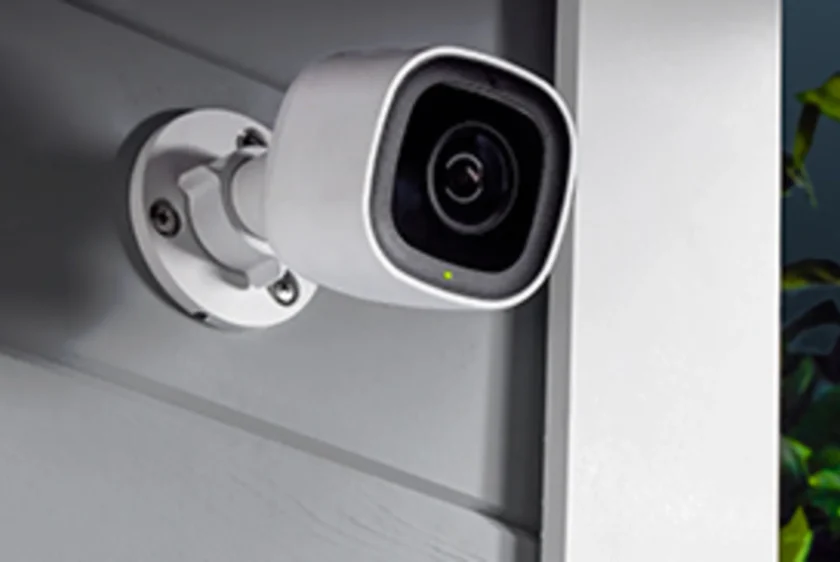
Common CCTV Mistakes Homeowners Make
Many homeowners encounter issues with their home CCTV security cameras. A recent study found that poor camera placement can leave blind spots in your coverage. This blog will highlight common CCTV mistakes and provide simple ways to enhance your surveillance and home safety.
Learn how to protect your property better today.
Key Takeaways
- Many homeowners make mistakes with CCTV camera placement, resulting in blind spots and inadequate coverage. Studies show that improper installation can lower the effectiveness of security.
- Using the wrong type of camera for specific areas—such as installing indoor models outdoors—can result in poor footage or equipment failure.
- Poor lighting leads to blurry videos at night. Adding motion-sensor lights and using cameras with infrared helps improve night-time video quality.
- Regular maintenance is vital; dust or loose wires reduce image clarity and may stop your system from recording key events.
- Weak passwords and unsecured Wi-Fi networks make it easy for hackers to access your CCTV system. Updating passwords frequently and using encrypted networks helps keep footage safe.
Common Home CCTV Mistakes
Homeowners often overlook key aspects of CCTV systems. Poor camera placement and improper camera selection can lead to significant gaps in security coverage.
Improper camera placement
Many homeowners make the mistake of improper camera placement. They often install cameras too high or in areas where they can’t capture useful footage. Placing a camera at eye level helps to clearly detect faces and identify details.
Selecting areas that cover entrances, driveways, and backyards enhances security coverage.
Lighting conditions also affect camera performance. A poorly lit area can result in grainy video quality. Proper configurations can adjust for these challenges, ensuring surveillance remains effective even at night.
Regularly checking the angle and position of each camera is essential for maintaining optimal monitoring capabilities.
Using the wrong type of camera
Using the wrong type of camera can severely limit your home security. Each camera type offers unique features suited for different environments. For instance, outdoor cameras need to withstand various weather conditions. In contrast, indoor cameras should provide clear images even in low-light conditions.
Choosing a camera without considering its intended use may leave blind spots or reduce image quality.
Surveillance systems also vary in resolution and detection capabilities. A low-quality camera might miss important details during an incident. Ensuring you select the right kind of equipment is crucial for effective coverage and protection strategies at home.
After establishing proper camera placement, focus on ensuring sufficient lighting for optimal performance.
Neglecting lighting conditions
Poor lighting can compromise the quality of your CCTV footage. Cameras struggle to capture clear images in low-light conditions, resulting in blurry or unusable videos. Many homeowners overlook the importance of proper illumination for effective surveillance.
Daytime may seem bright enough, but shadows can create blind spots and obscure important details.
Install cameras in well-lit areas or add external lights to enhance visibility at night. Consider utilising infrared capabilities on select cameras for enhanced night vision. This step ensures you capture all critical movements clearly and effectively while securing your property with reliable monitoring systems.
Moving forward, proper camera placement plays a key role in an effective security setup.
Lack of regular maintenance
Neglecting lighting conditions can lead to poor camera performance. A lack of regular maintenance can also cause issues. Homeowners often overlook the importance of regularly checking their CCTV systems.
Dust and dirt can block camera lenses, reducing image quality. Similarly, failing batteries may lead to complete system failure when you need it most.
Scheduling regular maintenance helps prevent these problems. Clean cameras ensure clear footage at all times. Inspect wiring and connections frequently to avoid blind spots or dead zones in your coverage area.
Regular checks not only enhance the quality but also the effectiveness of your home security system.
Inadequate network security
Inadequate network security can lead to serious problems for homeowners. Weak passwords and unsecured Wi-Fi networks make it easy for hackers to gain access to CCTV systems. This allows them to view surveillance footage or even control the cameras.
Homeowners must take steps to protect their camera placements and overall system.
Installing strong, unique passwords is essential. Regularly updating these passwords further boosts security against potential threats. Using a secure network with encryption also helps keep prying eyes away from your cameras.
Engaging professional installation services can ensure the proper configuration of all devices and significantly enhance protection levels.
How to Avoid Home CCTV Mistakes
Choosing the right cameras is essential for effective home security. Proper placement ensures you capture the best angles and avoid blind spots in your coverage.
Choosing suitable cameras
Select cameras that fit your home and security needs. High-definition models offer clear images. Consider weatherproof options for outdoor use. Consider the areas that need coverage, such as entrances or driveways.
Some cameras have features like night vision or motion detection, which can enhance security.
Research different brands and types. Read reviews to find reliable options with good performance records. Quality matters when it comes to surveillance; invest in durable equipment that lasts over time.
Always consider your home’s layout when selecting a CCTV system to avoid potential blind spots.
Proper camera placement
Proper camera placement is crucial for effective surveillance. Cameras should cover all entry points and vulnerable areas to ensure security. Avoid placing them too high or too low; this limits their field of view.
Mounting cameras at eye level often enhances image quality and detail.
Consider potential blind spots in your layout. Position cameras to eliminate these gaps for better coverage. Test angles before finalising the installation, as small adjustments can make a significant difference in security effectiveness.
Ensuring sufficient lighting
Good lighting plays a crucial role in effective CCTV surveillance. Without proper illumination, cameras may struggle to capture clear images. Dark areas create blind spots that criminals can exploit.
Install lights near entry points and along pathways to enhance visibility.
Use motion-activated lights for added security at night. These will turn on when someone approaches, deterring unwanted activity. Ensure your chosen cameras are compatible with low-light settings to function effectively in low-light conditions.
Always check camera footage at different times of the day; this helps ensure high-quality surveillance and comprehensive coverage around your home.
Regular maintenance
Regular maintenance keeps your CCTV system running smoothly. Clean the camera lenses often to ensure clear images. Dust and grime can hinder your surveillance quality, creating blind spots in important areas.
Check all connections regularly; loose wires can disrupt signal transmission—update software on devices to protect against vulnerabilities and enhance performance.
Schedule routine inspections at least once a month. This helps identify any potential issues before they escalate into bigger problems. Ensure that recordings work properly and have adequate storage space for footage.
Taking these steps significantly boosts security coverage at home, ensuring you remain protected against threats.
Securing the network
Securing the network is crucial for effective home CCTV surveillance. Use strong passwords for your camera systems and Wi-Fi networks to ensure security. Regularly update these passwords to enhance security.
Enable two-factor authentication if available; it adds an extra layer of protection.
Avoid connecting your cameras to public networks. Public connections make you vulnerable to cyber-attacks. Set up a separate network specifically for your CCTV system to further reduce risks.
Always ensure that your camera software is up to date, as updates often fix security flaws and improve performance.
Professional installation and help
Professional installation can significantly improve your CCTV setup. Experts understand camera placement and know how to configure systems effectively. They help avoid common mistakes, such as poor coverage or blind spots.
Proper installation ensures cameras capture the right angles, allowing for clearer surveillance images.
Getting professional help also means they handle network security, reducing risks of hacking or data breaches. Regular maintenance from professionals keeps your system functioning at its best.
A well-installed system not only protects your property but also enhances your peace of mind regarding privacy concerns. Understanding why it’s important to get home security right will further guide you in making informed decisions about your CCTV needs.
Why It’s Important to Get Home Security Right
Getting home security right matters more than many realise. Effective CCTV systems deter crime and protect homes and property. A well-placed camera can cover blind spots. It captures clear footage that aids in identifying suspects.
Poor placement or wrong types of cameras reduce coverage and leave security gaps.
Regular maintenance ensures all cameras function properly. Neglecting this leads to malfunctioning equipment, providing false security. Adequate lighting enhances image quality at night, making it harder for intruders to hide.
Securing your network keeps data safe from hackers seeking access to footage and personal information. Comprehensive measures enhance safety and provide homeowners with peace of mind regarding their privacy.
Closing Thoughts
Home security is crucial for your peace of mind. Good CCTV coverage safeguards your property and privacy. Consider all aspects when setting up your system. Make informed choices that enhance safety in your home.
For more insights on effective security measures, keep reading!
The value of privacy
Privacy holds great value in our lives. It protects us from unwanted surveillance and potential threats. Effective CCTV installation helps ensure that your home maintains its privacy while providing a sense of security.
Adequate camera placement can cover vulnerable areas without invading personal spaces.
A secure environment fosters peace of mind, allowing families to live freely. Surveillance should not compromise comfort or individual rights. Homeowners must strike a balance between protection and the need for privacy.
Avoiding common mistakes in configuration and maintenance is crucial to achieving this goal.
The need for comprehensive and reliable security measures
Comprehensive and reliable security measures are crucial for every homeowner. Effective surveillance ensures safety and protection from potential threats. Installing high-quality CCTV systems can help cover all angles of your property, significantly reducing blind spots.
Regular maintenance ensures that cameras function at their best, allowing them to capture clear footage.
A well-configured system enhances crime prevention efforts. By prioritising proper camera placement, homeowners maximise coverage and deter intruders effectively. Securing the network prevents unwanted access to your footage or settings, making your home a less appealing target for criminals.


