
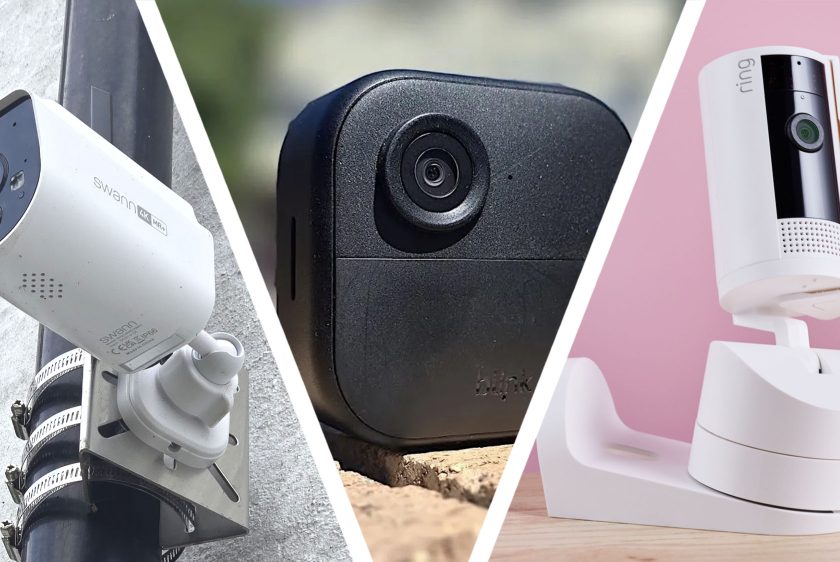
Buy & Install Security Cameras for Your Home
Many people worry about keeping their homes safe from thieves. Over 67% of burglaries happen in homes without security cameras or alarm systems. This post will guide you through the process of buying and installing security cameras for your home, including recommendations for the best surveillance cameras and simple installation tips.
Keep reading to boost your home’s safety with the right CCTV packages and smart home technology.
Key Takeaways
- Over 67% of burglaries occur in homes without security cameras or alarm systems, making surveillance a vital component of home safety.
- Choose between indoor and outdoor security cameras based on your specific needs and property layout; outdoor models should be weatherproof.
- Set a clear budget before shopping, as prices vary by features such as night vision and two-way audio; additional options may increase the cost.
- Place cameras at entry points, such as doors, windows, driveways, and garages, to effectively cover all main access areas.
- Follow manufacturer instructions carefully during installation; hire professionals for complex setups to ensure proper camera function.
Choosing the Right Security Camera for Your Home
Choosing the right security camera for your home starts with understanding your needs. Consider whether you need an indoor or outdoor model and which features will best suit your lifestyle.
Consider the type of camera (e.g., indoor, outdoor, etc.).
Surveillance cameras come in different types. Indoor cameras are perfect for monitoring your home’s interior. They work well in living rooms, hallways, and bedrooms. Outdoor cameras protect against intruders and environmental elements.
These models often feature weatherproofing to withstand rain or snow.
Evaluate your needs before making a choice. Some people prefer wireless security cameras for their ease of installation and flexibility. Others may want night vision capabilities to capture clear images in low-light conditions.
Your decision should align with your specific security requirements and budget constraints as well.
Determine your budget
Choosing a security camera type sets the stage for your budget. Prices vary widely based on the camera features and quality. Indoor cameras generally cost less than outdoor models due to their simpler design.
Set a clear spending limit before you shop. Consider what you need from wireless security cameras versus traditional CCTV packages. Night vision and two-way audio often come with higher costs.
Factor in installation services if required, as hiring professionals can add to your overall budget. Planning wisely ensures that your home security system meets both your needs and financial limits.
Look for features like night vision and two-way audio
Security cameras offer many features that enhance home safety. Two important aspects to consider are night vision and two-way audio.
- Night vision enables security cameras to capture clear images in low-light conditions. This feature is crucial for outdoor cameras, as it allows for night time property monitoring.
- Two-way audio enables communication through the camera. You can speak with visitors or alert intruders that they are being watched.
- Many wireless security cameras come equipped with both features. These smart home security systems provide convenience and peace of mind.
- Video monitoring becomes more effective with these functions. You can actively engage with people on your property, making your home a stronger deterrent against burglary.
- Consider how these features integrate into your overall security solutions. They play a key role in maintaining vigilance around your home.
- Not all CCTV packages include night vision and two-way audio; check before purchasing. Investing in models with these features significantly enhances your home security system.
- Remote access cameras allow you to monitor activities from anywhere, day or night, providing flexibility in surveillance management.
- Ultimately, the right combination of features will depend on your specific needs; choose wisely based on the layout and requirements of your property.
Choosing cameras with night vision and two-way audio effectively strengthens your safety measures. These functionalities make a noticeable difference in securing your home from potential threats.
How to Install Security Cameras in Your Home
To install security cameras in your home, start by identifying the ideal locations for each camera. Follow the manufacturer’s instructions carefully to ensure a successful setup and optimal monitoring.
Determine the best placement
Choose strategic locations for your security cameras. Focus on entry points, such as doors and windows. Cover driveways and garages to capture movement outside your home. Install indoor cameras in common areas, such as living rooms and hallways.
Consider visibility when picking camera spots. Cameras should be noticeable to deter intruders. Aim for a clear line of sight, avoiding obstructions such as trees or furniture. Ensure that outdoor cameras are weatherproof and equipped with night vision capabilities for continuous monitoring.
Follow the instructions provided by the manufacturer
Following the manufacturer’s instructions is crucial for installing your security cameras correctly. Start by reviewing the installation guide that comes with your device. This guide will outline essential steps and specific requirements for your model.
Secure all components as indicated in the manual. Check if you need tools like drills or screwdrivers before starting. Proper placement of indoor or outdoor cameras enhances visibility and coverage, ensuring effective monitoring of your property.
For further support, consider reaching out to installation services if you encounter difficulties during setup.
Consider hiring a professional for more complex installations
Installing security cameras can be tricky. Complex installations often require expertise. Professionals know how to ensure your surveillance cameras function correctly in any environment.
They can handle wiring, connectivity, and camera placement with ease.
Using their services may save you time and stress. A professional installation guarantees that outdoor cameras withstand weather conditions while providing optimal coverage for your home.
Hiring experts for your CCTV packages ensures reliable video monitoring and an effective home security system once everything is set up properly.


