
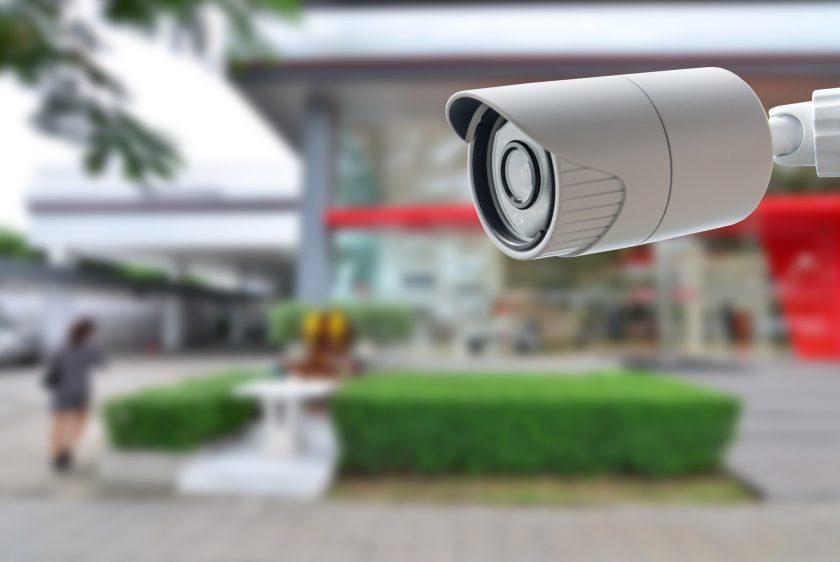
A Guide to Understanding Closed-Circuit Television (CCTV) for Home
Many families worry about keeping their homes safe from intruders or theft. Over 60 per cent of burglaries target homes without any security system or video surveillance. This guide explains how Closed-Circuit Television (CCTV) works for home security and monitoring, including camera installation, motion detection, and remote viewing features.
Learn how the right CCTV system can protect your family and property. Keep reading to make your home safer today.
Key Takeaways
- Over 60 per cent of burglaries target homes without any security system or CCTV.
- CCTV uses cameras to monitor specific areas and sends footage to a recording device, such as a Digital Video Recorder (DVR).
- Homeowners can choose between wired systems for stable video quality or wireless systems for easy installation and setup.
- Proper camera placement covers entrances, driveways, and blind spots, improving home safety and helping catch intruders.
- UK law requires signs to be displayed indicating the use of CCTV and outlining rules for filming areas where people expect privacy; the Information Commissioner’s Office provides guidance on this.
What is CCTV?
Closed-circuit television (CCTV) refers to a system that uses cameras to monitor specific areas. These cameras capture video footage for security and observation purposes, helping homeowners keep their property safe.
Definition and purpose
CCTV stands for Closed-Circuit Television. Its main purpose is to enhance home protection. These systems comprise cameras that capture video footage in designated areas. CCTV helps homeowners effectively monitor their properties.
It acts as a crime deterrent by recording any suspicious activity.
CCTV works by transmitting signals from cameras to a designated monitor or digital video recorder (DVR). This setup allows remote access for users who want to view live feeds or recorded videos.
Homeowners can ensure safety with outdoor cameras, making it easier to detect intrusions.
How it works
CCTV works by capturing video footage through cameras. These cameras transmit the images to a recording device, usually a Digital Video Recorder (DVR). The DVR stores the video for easy access at a later time.
The system relies on either wired or wireless connections. Wired systems use cables to connect components, while wireless setups send signals through Wi-Fi. Home monitoring becomes effective as users can view live feeds from their smartphones or computers.
Security cameras enhance safety systems by providing real-time alerts and recordings. Users can easily detect any intrusion with these devices in place, making homes safer overall.
Types of CCTV Systems
CCTV systems come in various types to suit different needs. You can find both wired and wireless options for your home security.
Wired systems
Wired CCTV systems connect cameras directly to a recording device using cables. This connection offers reliable video transmission and minimal interference. Users can expect high-quality video recording capabilities with these systems, making them ideal for home security purposes.
Installation requires careful planning of cable routes to ensure a clean look and effective coverage. These systems often work well in areas needing constant surveillance, such as entry points or driveways.
Intrusion detection becomes straightforward when you have reliable wired cameras positioned correctly around your property.
Wireless systems
Wired systems provide a stable connection, but wireless systems offer convenience. These setups use Wi-Fi or cellular networks for operation. They eliminate the need for extensive cabling, making installation easier in various locations.
Wireless cameras can be placed indoors or outdoors without complexity. Most models come with features such as motion detection and night vision to enhance security. Many users integrate these systems into home automation setups for added functionality.
A digital video recorder (DVR) often stores the footage captured by these cameras efficiently.
Outdoor and indoor cameras
The transition from wireless systems to outdoor and indoor cameras underscores the importance of selecting the right type for your specific needs. Outdoor cameras protect against intruders, adverse weather conditions, and vandalism.
They usually come with features such as night vision, weather resistance, and motion detection.
Indoor cameras focus on monitoring your home environment, ensuring safety inside. These devices are ideal for tracking pets or children. Some models offer two-way audio and remote viewing through a smartphone app.
Both types work well with digital video recorders (DVRs) to securely store footage. By installing these systems properly, you can enhance your overall security measures at home while also considering privacy regulations.
Choosing the Right CCTV System
Selecting the right CCTV system requires careful consideration of your needs. Think about where you want to place the cameras and how they will connect to your home network.
Factors to consider
Understanding the factors involved in choosing the right CCTV system is crucial. A well-informed decision can significantly enhance your home’s security.
- Assess your needs before selecting a CCTV system. Different homes have various security requirements based on location and risk levels.
- Consider camera types that best suit your environment. Wired systems often provide stable connections, while wireless options offer easier installation and setup.
- Evaluate camera placement to maximise coverage—position cameras at entry points and high traffic areas to capture important footage.
- Determine your budget for the entire system, including installation fees and equipment costs, such as a digital video recorder (DVR). Balancing quality with affordability ensures efficient investment in security.
- Research legal considerations regarding surveillance in your area. Rules may dictate where you can place cameras and how long you can store footage.
- Consider additional features, such as night vision, motion detection, and remote access capabilities. These enhancements add value to your CCTV system.
- Seek professional installation if you feel unsure about setting up the system yourself; experts ensure optimal performance.
- Review user feedback on various brands and models to gain insights into reliability and functionality. Real experiences help inform better choices.
Investing time in these factors helps develop a comprehensive home security strategy through CCTV systems tailored to specific needs.
Placement and installation
Choosing the right placement and installation for your CCTV system is crucial. Proper positioning enhances visibility and security.
- Choose high-traffic areas for camera placement. Cameras should be positioned to capture entrances, driveways, and garages to monitor potential threats effectively.
- Install cameras at a height of around eight to ten feet. This height prevents tampering while providing a clear view of faces and movements.
- Ensure cameras cover all blind spots. Identify areas, such as corners or behind objects, where intruders might hide, and adjust the camera angles accordingly.
- Opt for outdoor cameras in weatherproof housings. Indoor systems can remain more exposed, but outdoor units must withstand rain, snow, and extreme temperatures.
- Avoid obstructions in the camera’s field of view. Trees, vehicles, or fences can block essential sightlines; make sure nothing interferes with the coverage.
- Consider lighting conditions when placing cameras. Select locations that receive adequate light during nighttime or invest in night-vision capabilities for low-light areas.
- Use multiple cameras for comprehensive coverage in large homes or properties. A single camera may miss important details; various angles help create a complete picture.
- Keep wiring discreet if using a wired system—route cables through attics or walls to prevent tampering while maintaining aesthetic appeal.
- Check local regulations regarding CCTV installations before setting up the system to ensure compliance with privacy laws and proper use.
- Consult professionals if you are unsure about installation techniques or placements; their expertise can enhance the effectiveness of your CCTV setup.
After determining the optimal placement options, explore other factors that will aid in your decision-making process for selecting the right CCTV system.
Legal considerations
Installing CCTV for home security requires careful consideration of legal requirements. Recording video in public areas generally poses fewer challenges than capturing footage on private property.
Consent from individuals may be necessary when using cameras that film in places where people expect privacy, such as homes or gardens.
In the UK, data protection laws govern the use of CCTV. Homeowners must inform visitors about the presence of recording devices through clear signage. The Information Commissioner’s Office provides guidelines on acceptable practices and obligations regarding personal data captured by CCTV systems.
Owners should regularly check if their placement meets both legal standards and community regulations, while also avoiding any privacy concerns.


